



Reema Desai, Head of Strategy
Most communication today fails not because messages are unclear, but because they are forced to travel through noise.
Noise has gone from being incidental, a minor bump in the road to being structural, almost endemic. Messages are received amid distraction, bias, fatigue, hierarchy, and fragmented digital channels. By the time meaning reaches its audience, intent has already been diluted. This is why communication increasingly breaks down at the point of reception, not at the point of creation. Saying the right thing is no longer the only challenge. Ensuring the message survives its journey has become a prerequisite.
In such an environment, clarity cannot be assumed. It has to be designed.
Why noise matters more than ever
Every message moves through conditions that interfere with understanding. Attention is divided. Context is uneven. Emotional and cognitive bandwidth is limited. Technology mediates nearly every interaction.
Most communication frameworks still assume an ideal listener. Reality offers anything but. Visual thinking becomes powerful when it is understood as a noise-reduction mechanism. When applied deliberately, visualization shapes how meaning is perceived, processed, and remembered, especially under imperfect conditions.
But not all noise is the same. And visual responses must be designed in direct relation to the kind of interference a message faces.
The types of noise that break communication and how visual thinking responds
1. Physical / Environmental Noise (Distractions, cluttered spaces, divided attention)
In many settings, messages compete with screens, conversations, and information overload. Attention is fragmented before communication even begins.
What breaks:
Attention, focus, presence
Visual fix:
- Strong visual hierarchy
- One clear focal point
- White space to create calm
Outcome:
The message remains legible even in distraction.
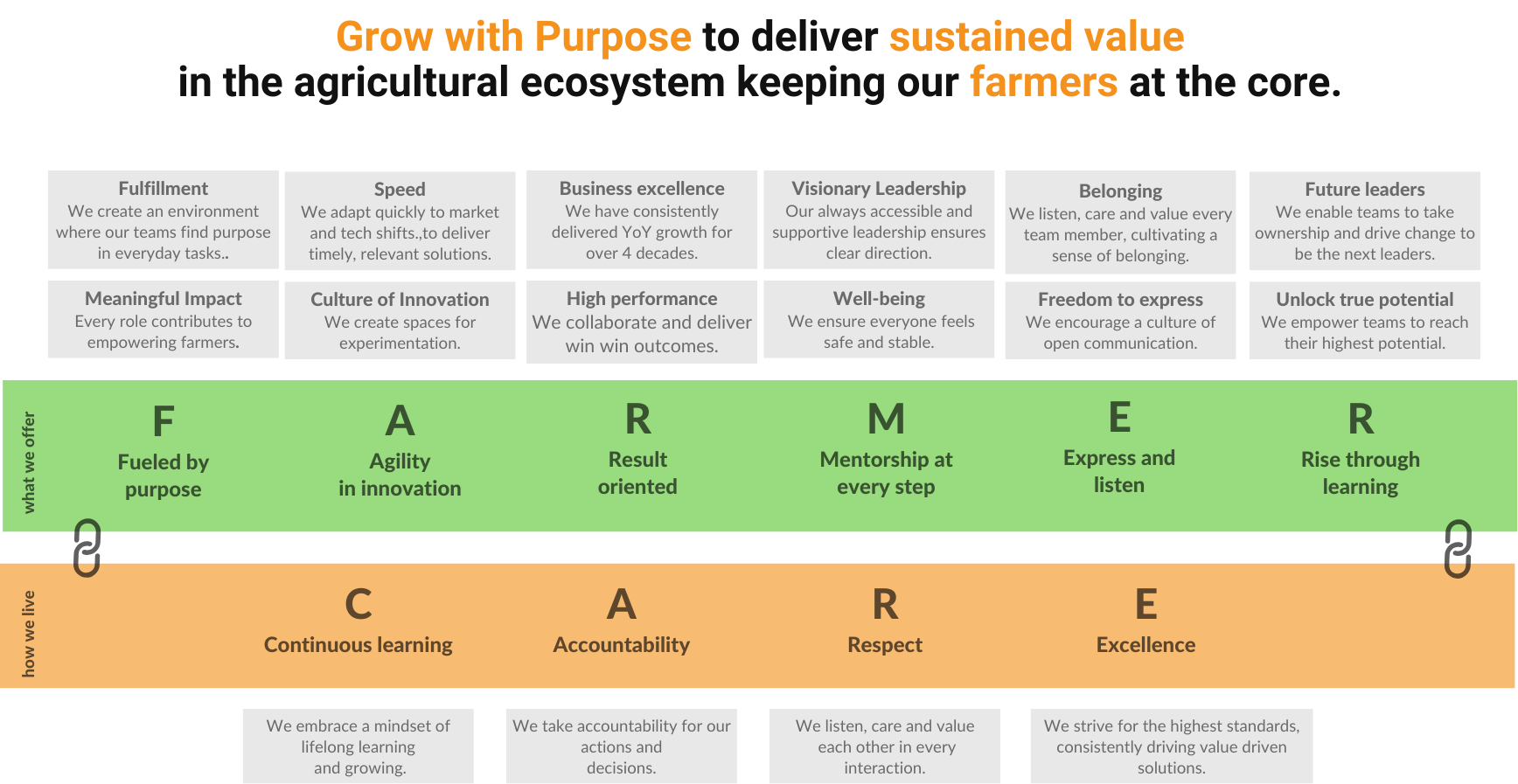
2. Psychological Noise (Biases, stress, preconceived notions, emotional states)
Messages are rarely received neutrally. Emotion and belief often precede logic, shaping how information is interpreted or resisted.
What breaks:
Objectivity, openness, emotional receptivity
Visual fix:
- Metaphors instead of direct assertions
- Story-led visuals (journey, shift, before–after)
- Tone carried visually, not verbally
Outcome:
Reduced resistance. Increased acceptance.
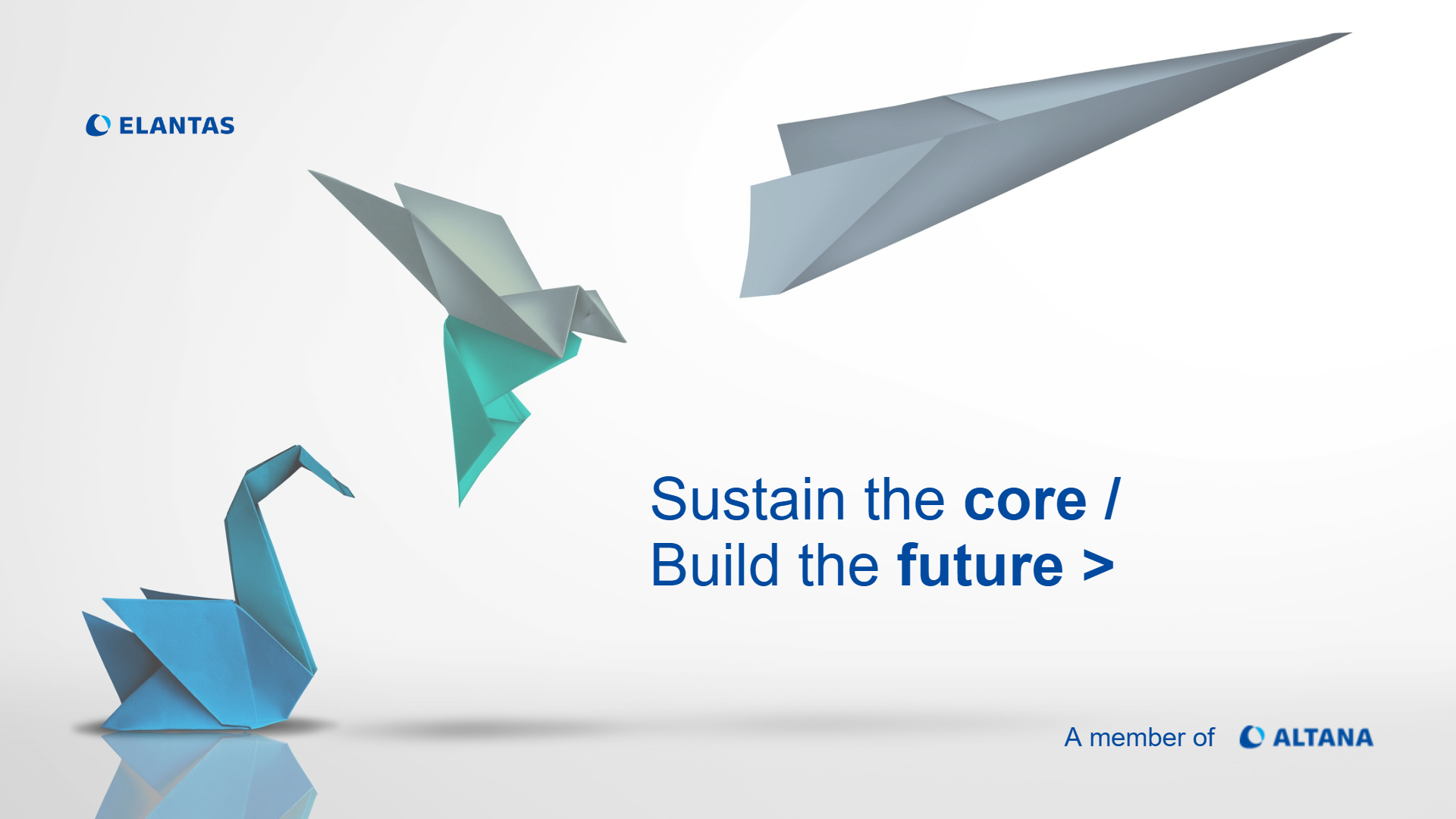
3. Semantic Noise (Jargon, abstract language, differing interpretations)
Words carry different meanings for different people. As complexity increases, so does the risk of misinterpretation.
What breaks:
Shared meaning, clarity of terms
Visual fix:
- Diagrams over definitions
- Models over explanations
- Labels anchored to visuals
Outcome:
Less interpretation. More alignment.
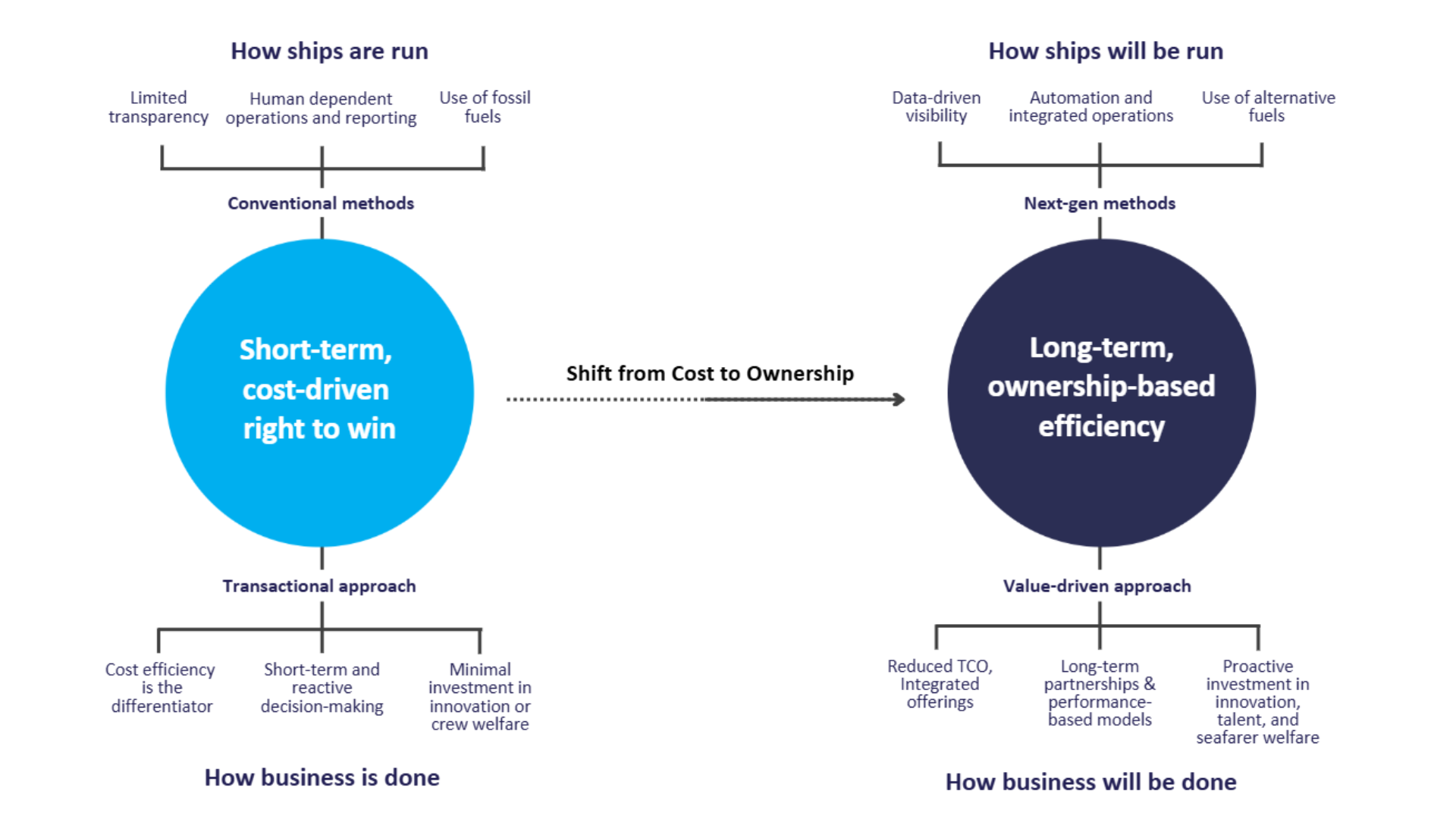
4. Organizational Noise (Hierarchy, silos, inconsistent context)
As messages travel across levels, functions, and regions, meaning shifts. Context is lost or reshaped.
What breaks:
Consistency across levels, functions, and regions
Visual fix:
- Frameworks as common language
- Visual systems over one-off slides
- Strategy made visible, not abstract
Outcome:
Faster alignment across the organization.
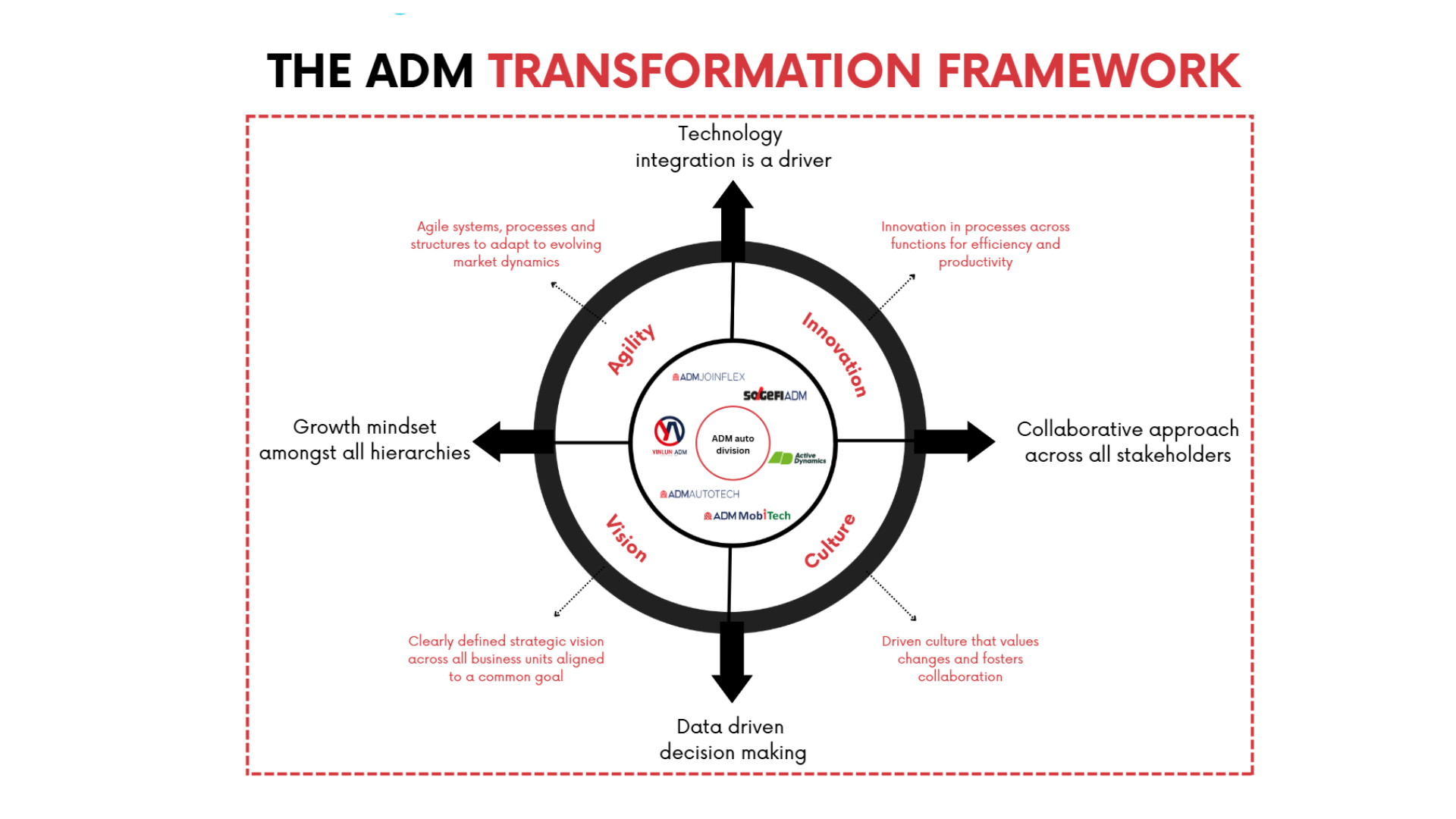
5. Physiological Noise (Fatigue, overload, low energy)
People are often expected to absorb complex information when cognitive capacity is already stretched.
What breaks:
Cognitive capacity, energy, attention span
Visual fix:
- Pattern recognition over dense text
- Chunked information
- Visual summaries
Outcome:
Understanding even under fatigue.
6. Technical Noise (Bad calls, screens, remote communication)
Digital channels distort nuance. Audio fails. Context drops.
What breaks:
Message integrity across channels
Visual fix:
- Channel-agnostic visuals
- Asynchronous-friendly design
- Strong visual cues that survive poor audio/video
Outcome:
Clarity despite medium failure.
From reaction to system: Designing visuals that resist noise
Understanding noise is only half the work. The real challenge is responding to it consistently. Without a structured approach, visuals risk becoming decorative adding to noise rather than reducing it. What is needed is a way to design messages deliberately for the conditions they must survive.
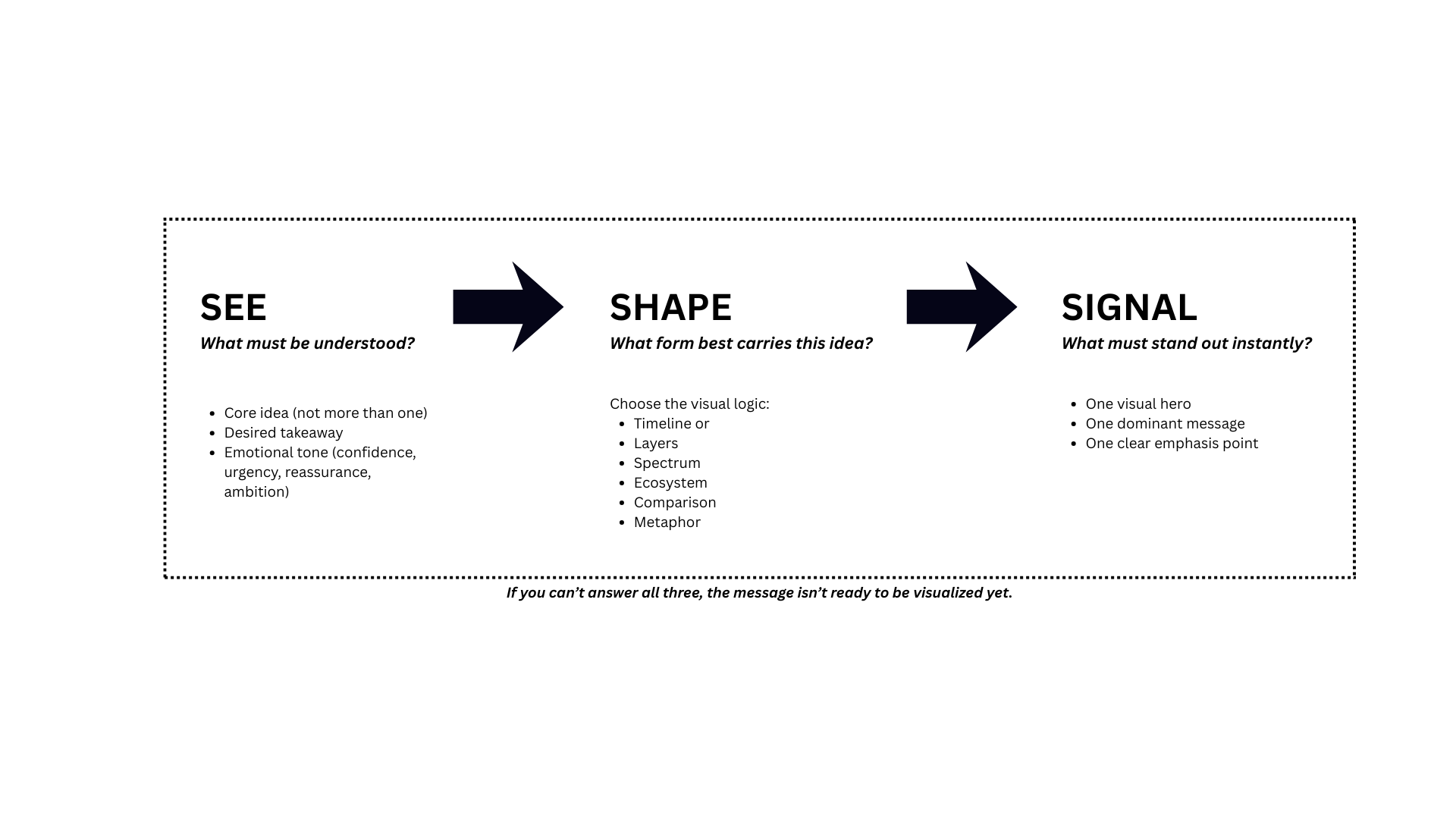
This is where SEE · SHAPE · SIGNAL comes in.
A simple framework to think visually
SEE · SHAPE · SIGNAL is a practical system for designing messages that remain clear under noise. It forces decisions in the right order – meaning first, structure next, emphasis last.
Thinking visual is a strategic choice. When messages are visualized well:
- Less explanation is needed
- Fewer assumptions creep in
- Decisions happen faster
In a noisy world, clarity shouldn’t be left to chance. It deserves to be designed.