Categories
Blog The Opinions

Designing Messages to Survive Noise

Reema Desai, Head of Strategy 

Most communication today fails not because messages are unclear, but because they are forced to travel through noise. 

Noise has gone from being incidental, a minor bump in the road to being structural, almost endemic. Messages are received amid distraction, bias, fatigue, hierarchy, and fragmented digital channels. By the time meaning reaches its audience, intent has already been diluted. This is why communication increasingly breaks down at the point of reception, not at the point of creation. Saying the right thing is no longer the only challenge. Ensuring the message survives its journey has become a prerequisite. 

In such an environment, clarity cannot be assumed. It has to be designed. 

Why noise matters more than ever 

Every message moves through conditions that interfere with understanding. Attention is divided. Context is uneven. Emotional and cognitive bandwidth is limited. Technology mediates nearly every interaction. 

Most communication frameworks still assume an ideal listener. Reality offers anything but. Visual thinking becomes powerful when it is understood as a noise-reduction mechanism. When applied deliberately, visualization shapes how meaning is perceived, processed, and remembered, especially under imperfect conditions. 

But not all noise is the same. And visual responses must be designed in direct relation to the kind of interference a message faces.  

The types of noise that break communication and how visual thinking responds 

1. Physical / Environmental Noise (Distractions, cluttered spaces, divided attention) 

In many settings, messages compete with screens, conversations, and information overload. Attention is fragmented before communication even begins. 

What breaks: 
Attention, focus, presence 

Visual fix: 

  • Strong visual hierarchy 
  • One clear focal point
  • White space to create calm 

Outcome: 

The message remains legible even in distraction.
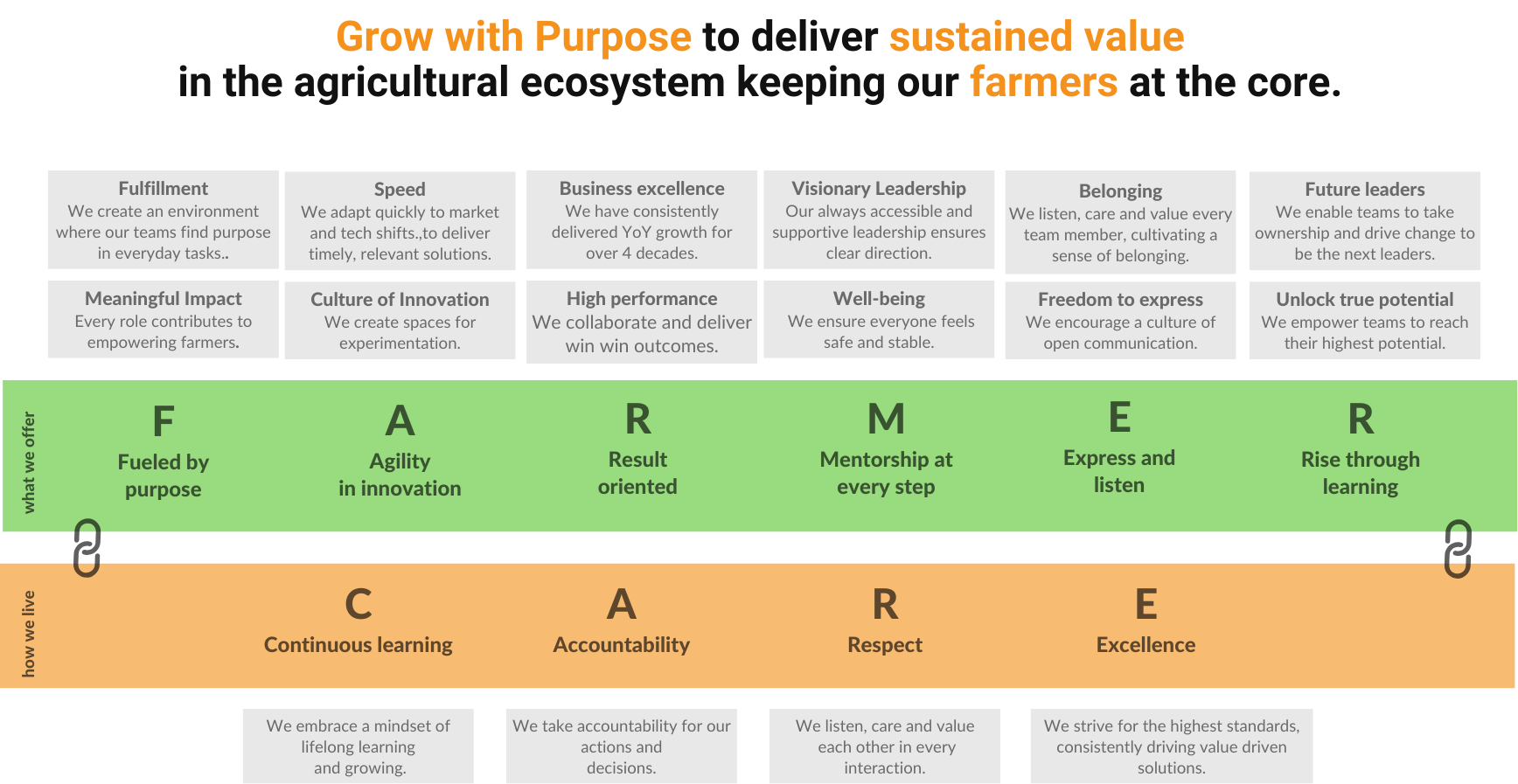
Defined the EVP for an agritech brand in a way which makes the category exciting and ensures memorability among the audience.

2. Psychological Noise (Biases, stress, preconceived notions, emotional states)

Messages are rarely received neutrally. Emotion and belief often precede logic, shaping how information is interpreted or resisted. 

What breaks: 
Objectivity, openness, emotional receptivity 

Visual fix: 

  • Metaphors instead of direct assertions 
  • Story-led visuals (journey, shift, before–after) 
  • Tone carried visually, not verbally 

Outcome: 
Reduced resistance. Increased acceptance. 
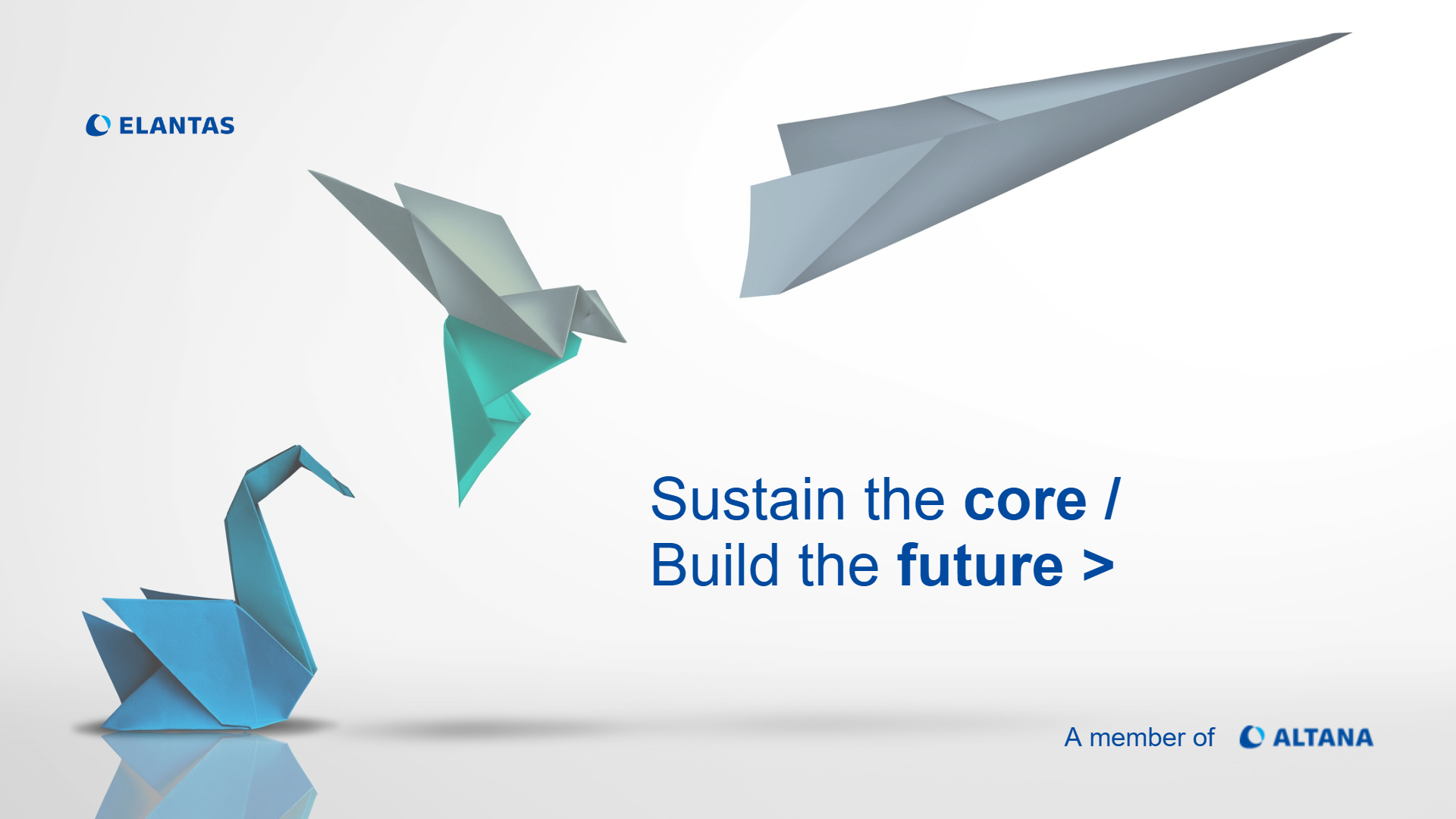
Used the metaphor of origami to describe the growth journey of specialty chemicals company.

3. Semantic Noise (Jargon, abstract language, differing interpretations) 

Words carry different meanings for different people. As complexity increases, so does the risk of misinterpretation. 

What breaks: 
Shared meaning, clarity of terms 

Visual fix: 

  • Diagrams over definitions
  • Models over explanations
  • Labels anchored to visuals 

Outcome: 
Less interpretation. More alignment.
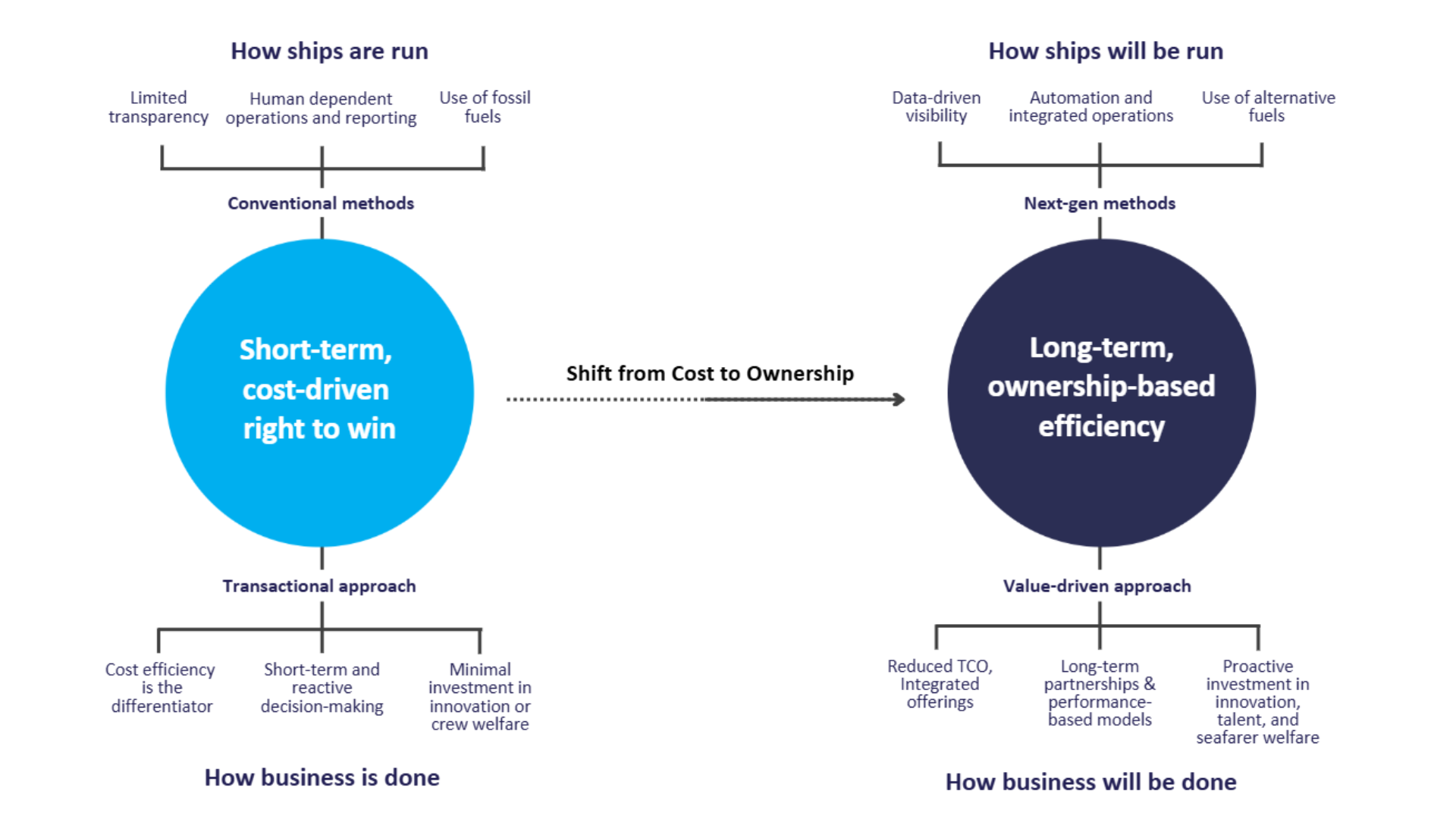
Represented how the shipping industry is evolving for a ship management company.

4. Organizational Noise (Hierarchy, silos, inconsistent context)

As messages travel across levels, functions, and regions, meaning shifts. Context is lost or reshaped. 

What breaks: 
Consistency across levels, functions, and regions 

Visual fix: 

  • Frameworks as common language 
  • Visual systems over one-off slides 
  • Strategy made visible, not abstract 

Outcome: 
Faster alignment across the organization.
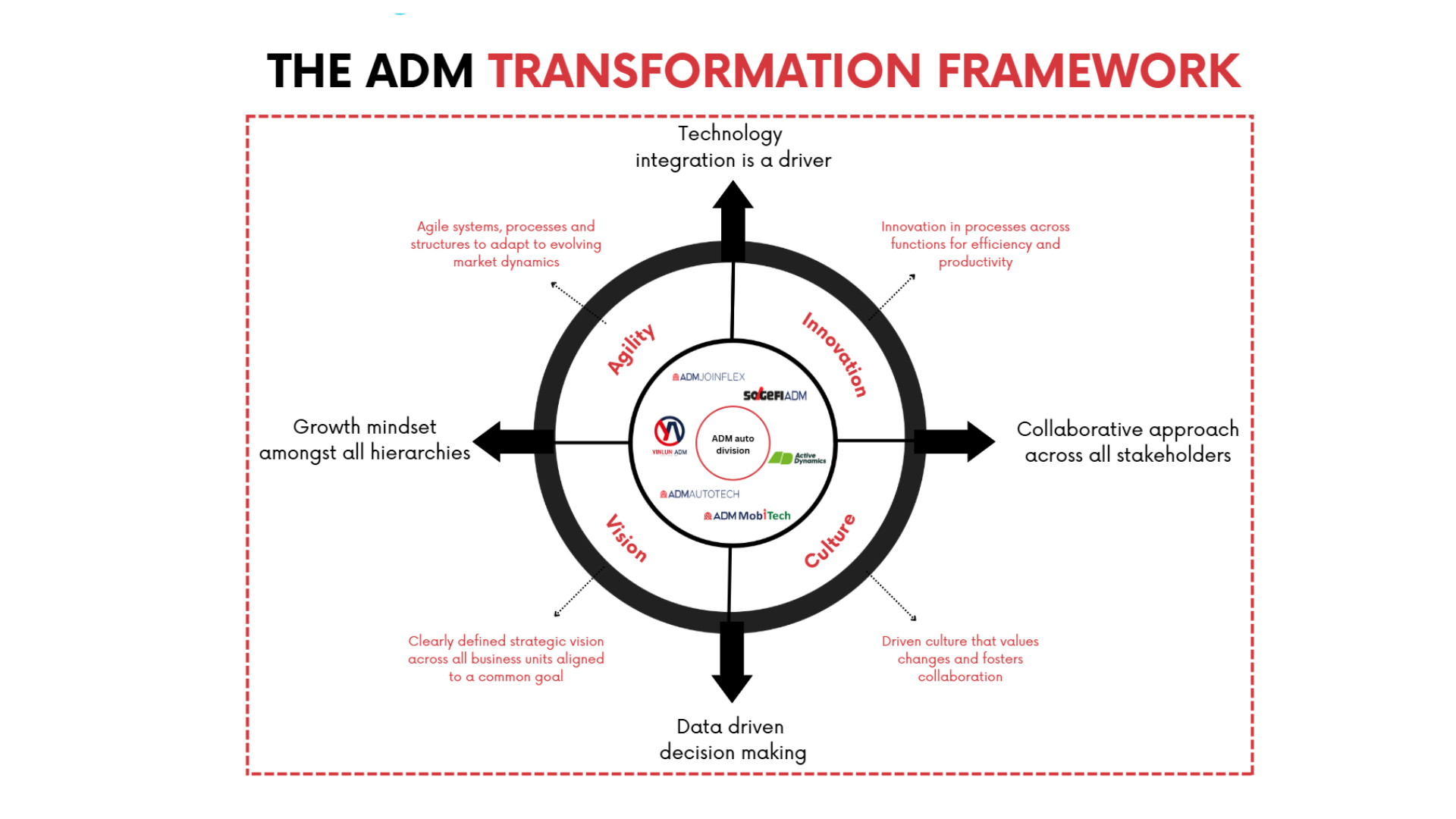
Crafted a single lens which can be used across the board to represent the company’s transformation journey.

5. Physiological Noise (Fatigue, overload, low energy)

People are often expected to absorb complex information when cognitive capacity is already stretched. 

What breaks: 
Cognitive capacity, energy, attention span 

Visual fix: 

  • Pattern recognition over dense text 
  • Chunked information 
  • Visual summaries 

Outcome: 
Understanding even under fatigue.
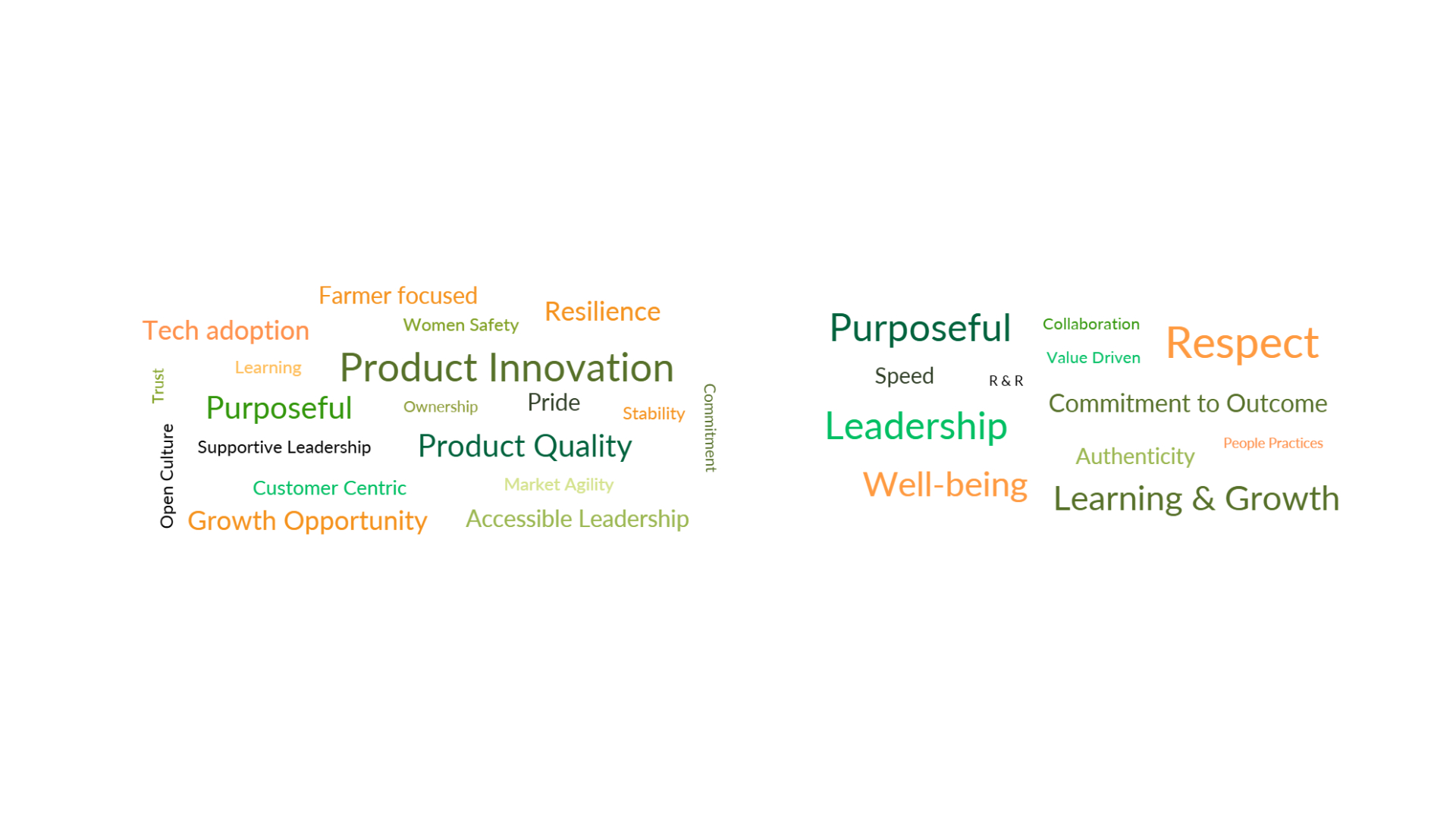
Identified patterns and keywords that stand out for brand and EVP elements.

6. Technical Noise (Bad calls, screens, remote communication)

Digital channels distort nuance. Audio fails. Context drops. 

What breaks: 
Message integrity across channels 

Visual fix: 

  • Channel-agnostic visuals
  • Asynchronous-friendly design
  • Strong visual cues that survive poor audio/video 

Outcome: 
Clarity despite medium failure.
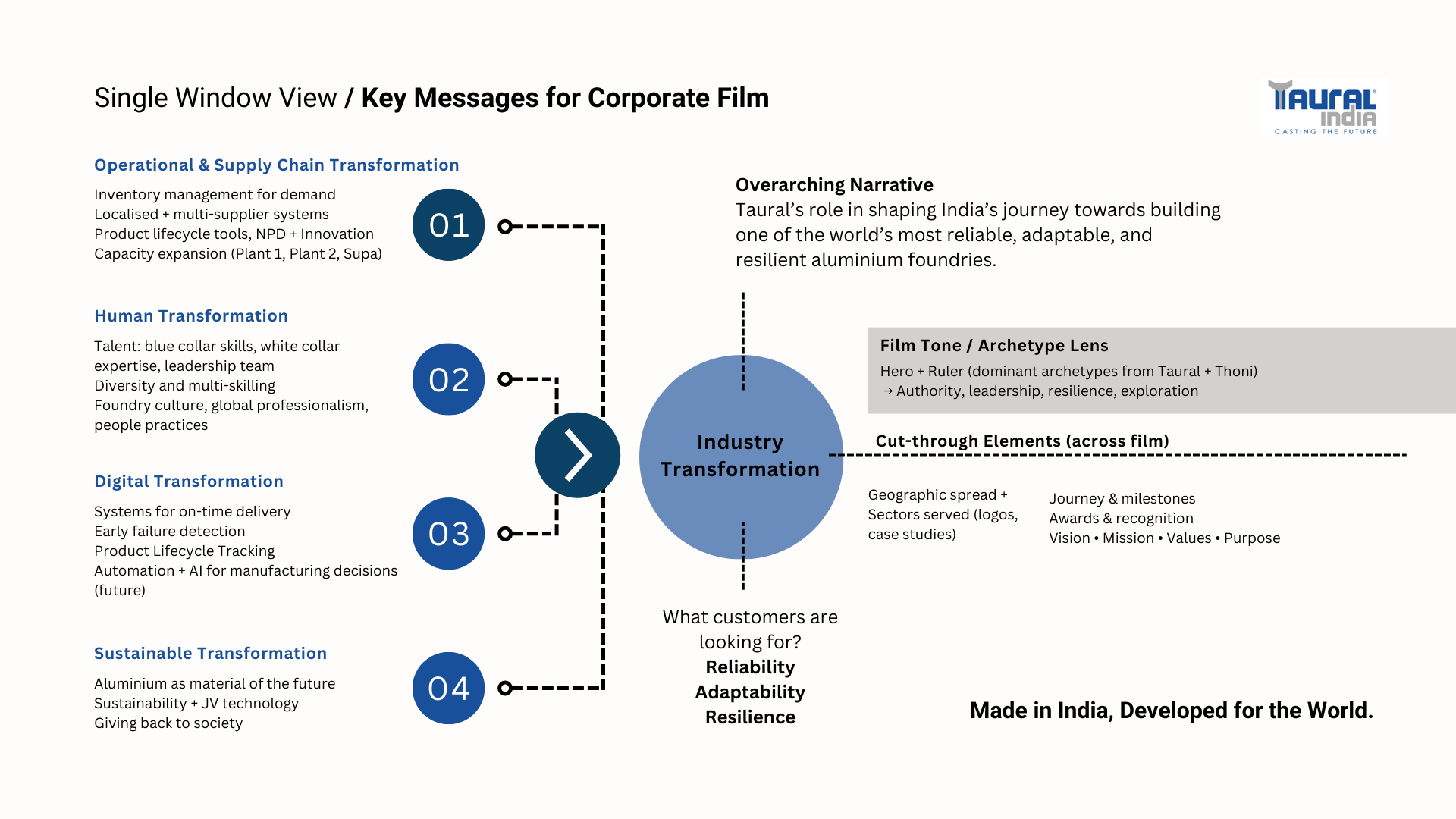
Single window view of the corporate film with key messages and tone highlighted.

From reaction to system: Designing visuals that resist noise 

Understanding noise is only half the work. The real challenge is responding to it consistently. Without a structured approach, visuals risk becoming decorative adding to noise rather than reducing it. What is needed is a way to design messages deliberately for the conditions they must survive. 

This is where SEE · SHAPE · SIGNAL comes in. 

A simple framework to think visually 

SEE · SHAPE · SIGNAL is a practical system for designing messages that remain clear under noise. It forces decisions in the right order – meaning first, structure next, emphasis last.
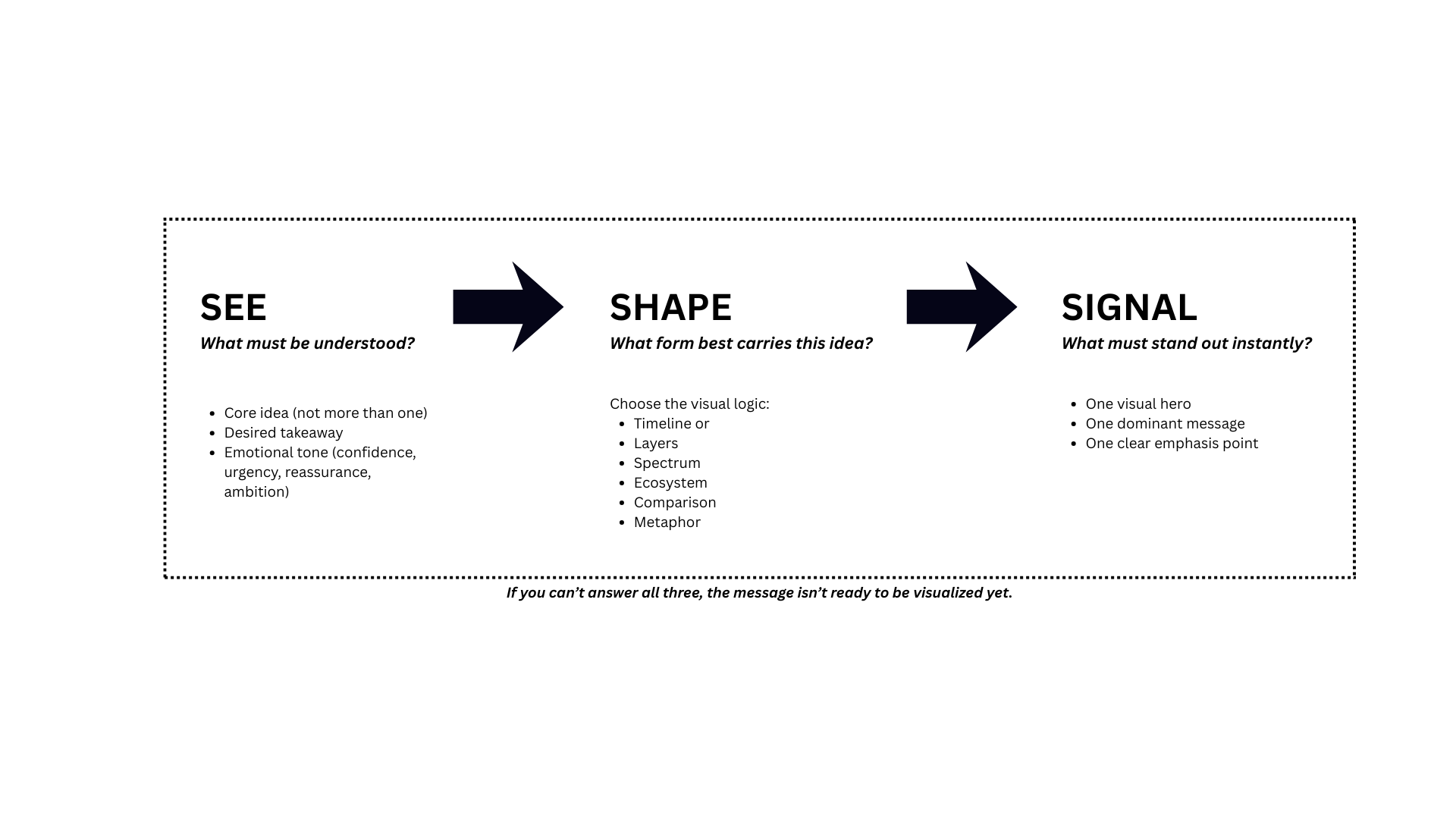
Thinking visual is a strategic choice. When messages are visualized well: 

  • Less explanation is needed
  • Fewer assumptions creep in
  • Decisions happen faster 

In a noisy world, clarity shouldn’t be left to chance. It deserves to be designed.

Categories
Blog The Opinions

Seeing the field, before playing the move.

Reema Desai, Head of Strategy 

Why understanding landscape is important for intelligent action

We live in a world that celebrates action. Brands are told to launch before they’re ready. Leaders are told to decide before they’ve understood. Companies are told to move fast or risk being left behind. But in this constant pursuit of speed, we often forget to see. Whether it’s building a brand, crafting a strategy or taking a leadership call; the most overlooked, yet defining, step is understanding the landscape you’re operating in. Because no matter how brilliant your move is, it won’t land if it’s played on the wrong field.

We’ve built a habit of doing things before thinking, of acting without observing. Teams spend months creating campaigns that don’t connect. Leaders set bold goals that miss the market mood. Not because the effort was weak but because the context was unclear. Understanding the landscape is a sign of intelligence. It’s how you ensure your energy is directed, not just expended. It tells you not just who you’re competing with, but what you’re really competing for, whether it is attention, trust, or relevance. It shows you where the white spaces are, what conversations are saturated, and which narratives you can truly own. It builds clarity in where your voice can matter the most.

When we say, ‘study the market’ or ‘analyze competition’, we often mean collecting data or research reports. But understanding goes deeper. It’s about sensing what’s shifting beneath the surface in customer mindsets, in industry behavior, in language, in technology, even in values.

For a brand, it shapes how you position yourself.
For a leader, it informs how you prioritize and communicate.
For a company, it reveals where to place bets – on people, products, or possibilities.

And for anyone driving change, it means distinguishing between motion and momentum.

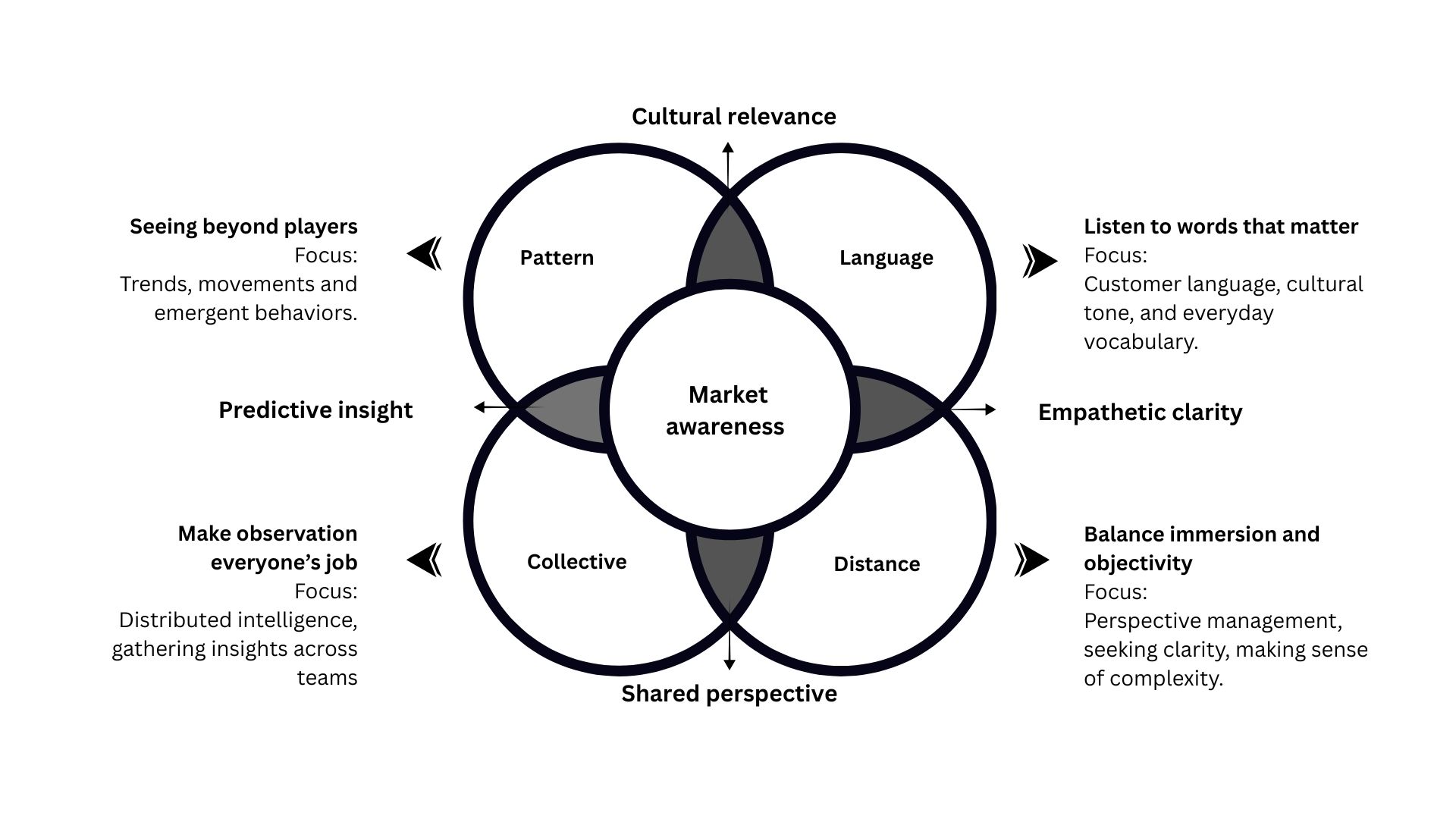
The Four Dimensions of Market Awareness:

We have found that understanding the landscape comes from looking at it through multiple dimensions, not just data, but perspective. The Market Awareness framework brings this idea to life:

  • Pattern helps you look beyond competitors to spot emerging shifts in behaviour, technology, or sentiment before they become obvious.
  • Language teaches you to listen carefully to how people talk about their needs and frustrations, because language often reveals what data hides.
  • Distance brings balance, ensuring you stay close enough to empathize yet distant enough to think clearly.
  • Collective reminds you that awareness sharpens when observation is shared across teams and functions.

Where these lenses intersect, deeper insights emerge – cultural relevance, empathetic clarity, shared perspective, and predictive insight, all converging into market awareness, the foundation of intelligent.

At Ideosphere, we’ve learned that the quality of thinking improves dramatically when we begin with observation. By spending time understanding the landscape, the shifts in customer sentiment, industry language, and competitive narratives, we have been able to create work that connects more deeply.

It’s how we’ve developed positioning and messaging that don’t try to sound different, but sound right. It is about being true to the brand’s essence yet tuned to the reality of the market.

Our thought leadership articles are more relevant because they echo the questions people are already asking.

Our social media work performs better because it’s anchored in context.

Observation, for us, has become the bridge between insight and impact.

In a noisy, hyperactive world, understanding the landscape is the foundation of intelligent action. So, before you make your next move – pause, look up, and see the field. Because the smartest players are not the fastest movers. They are the sharpest observers.

Categories
The Opinions

Do the basics right

A simple strategy abets simple execution. The focus can therefore be on the audience and outcomes. Communication levers are many but the choice should be easy and objective.

POV:

What is a brand? 
A brand isn’t what the company says it is, but it is what the customers say it is.
What do you need to build the correct perception of your brand? 
A simple brand strategy
How to develop a simple brand strategy?
A simple brand strategy is hard to define, but it should answer these questions – 
Who is it for?
What is it for?
What difference does it make?
What value does it create?
But is it that simple to answer these questions? 

A straightforward response to these questions will get you nowhere, and you’ll just be another faceless player in the category. Hence it is vital to ensure you have the essential elements covered.

Key elements required to build a simple strategy:

A brand story:
We need to think of our brand strategy as a story we are telling. A good brand narrative/story is not just something you read in an article or a book; it needs to catch the right pulse and connect to the right audience. It also needs to identify and promote a problem.

How is this relevant for a B2B brand? 
Well, the more complex or techy your brand is, the more you need storytelling. Else you will keep focusing on features or services rather than invoking the right emotion in your audience to believe in your brand.

A purpose:
A brand’s purpose is the reason it exists beyond making money. No, it goes beyond figuring out your CSR plan to coin your purpose. It’s for consumers to believe in more and come back for more! Every marketing activity, HR process, stakeholder communication, company culture, or CSR plan will revolve around that purpose. 

The personas:
You can only have an impact if you know who you are trying to connect to. Your target audience’s fears, triggers, motivations, and medium usage will help you send the right message at the right time and place.

Once the key elements are covered, it is easier to define the brand – vision, mission, values, positioning, archetypes, and tonality. And when this is set, it becomes a guide for every decision you make for the brand – whether it is launching a new website, brainstorming on a tagline, releasing a commercial ad or entering the media.

PaperBoat is one of the brands that caught my attention with their clear, authentic and effective strategy. Their tagline is ‘Drinks and memories,’ which tells you that this drink will take you on a trip down memory lane. You don’t need more than three words to convey your brand message. 

What are they essentially selling? 
Memories in a juice pack! 

They built the brand around their philosophy – Life is still beautiful. Everything from flying kites to trying to reach for a jar full of treats from a high cupboard to making paper boats became a point of conversation. Games from one’s younger days, such as the desi versions of cops and robbers in the form of Raja, Mantri, Chor, Sipahi, hopscotch and the all-time favorite classroom game, Flames became a point of fond memories. 

Indirectly, Paper Boat let the boat sail on the waters of nostalgia, encouraging sharing and exchange on bygone eras. And this wasn’t just limited to their marketing campaigns. It was carried across their product range, packaging, website, and games. The brand had a solid story to tell, it had a purpose of reconnecting people to their childhood, and it tapped consumers born in the 80s & 90s when they were bored of the usual futuristic non-insightful communication. This was a refresher, and this simple strategy made them the category disruptor.

Steve Jobs, the former CEO of Apple Inc., said it best: “Simple can be harder than complex. You must work hard to keep your thinking clean and simple. But it’s worth it in the end.”

Reema Desai, Ideosphere.